How much does wildlife removal cost?
Typical U.S. prices run from a few hundred dollars for mice or rats to over $1,000 for larger animals or hard access. Cleanup adds more. Get a written quote that separates removal, sealing and cleanup.
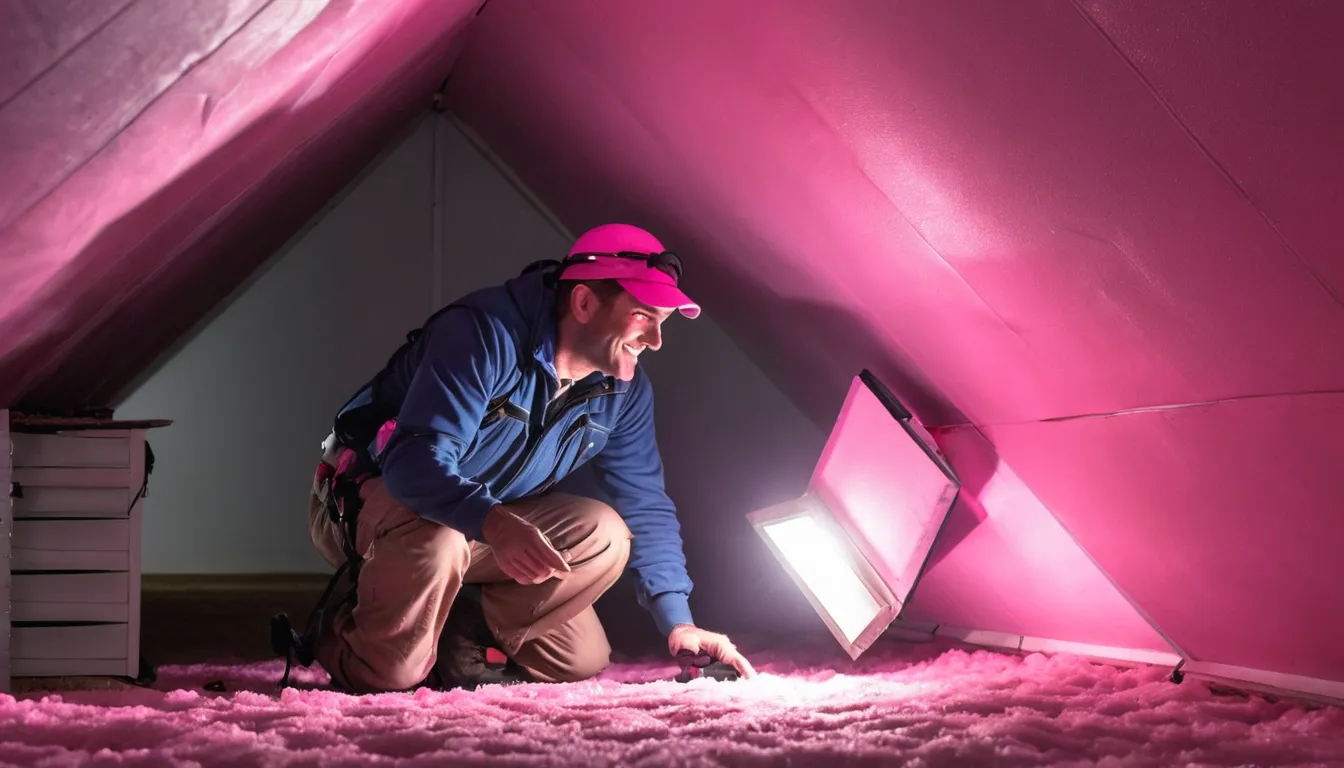
Mice, rats, squirrels, raccoons and bats do not stay small problems for long. A single night of scratching can mean a nest. A few weeks can mean stained ceilings, torn insulation and chewed wires. Acting early keeps the job smaller and the bill easier to plan.
Interviewowns Pest Control is a referral service. We do not do the work. We connect homeowners in the Rockville area with independent local providers who inspect, remove the animals, seal entry points and explain the cleanup. You compare written quotes, ask questions, and choose. This page shows how a problem grows, what drives the price, and what to ask before you agree to anything.
Scratching at dusk. Thumping in the ceiling. A sour smell near the basement door. Something has moved in, and the clock is running. This page follows the problem day by day so you can price the delay before it grows.
Interviewowns Pest Control is a referral service. Independent providers in our network do the inspection and removal. You get a written quote before you commit.
Most rodents and many wildlife visitors are active after dark. You may hear noise for only a few minutes. That still points to a nest or an entry hole close by. At this stage the fix is often small: find the opening, remove the animal, and seal the gap.
Mice breed fast. Droppings build up along walls and in corners. Rodents gnaw to wear down their teeth, so wood, boxes and soft pipe coatings take the hits. A small job starts to grow into a bigger scope.
Insulation gets flattened into nesting spots. Urine stains can spread on ceiling drywall. Chewed wires become a fire risk worth taking seriously. A squirrel or raccoon may have young by now, and that changes how a provider must handle the job.
Cleanup often costs more than removal at this point. Soiled insulation may need to be pulled out and replaced. Stains and odors can linger. Small now, bigger later is a fair rule here.
Mice and rats are the usual guests in colonial and split-level homes with basements, and in older rowhouses with shared walls. Squirrels and raccoons like attics and chimneys. Bats use tight gaps near the roofline. Skunks and opossums dig under porches and sheds. Each one needs a different plan.
Do not seal holes if an animal may be inside. Keep kids and pets away from droppings. Wear gloves and a mask for any cleanup, and do not sweep dry dust. Store food in tight bins so the animals have less reason to stay.
A provider inspects inside and out, including the attic, crawl space and roofline. Next comes a plan: traps, one-way exits or exclusion. Entry holes get sealed. A follow-up visit checks that activity has stopped. Ask for each step in writing.
Rules differ by state and town. Some animals cannot be moved, and some are protected in certain seasons. Baby season may change the timing so young are not trapped inside. A good provider explains the local rules before work starts.
Five things move the number: how many animals, how hard the access is, how many entry points, how many visits, and how much cleanup. A steep roof or tight crawl space adds labor. Repeat visits add up too. The table below shows typical ranges.
Get at least two. Check that each one lists the scope, the number of visits, the sealing work, the cleanup, and what happens if animals return. A low number that skips sealing is not a bargain. Quote before commitment.
Buyers and inspectors look for droppings, stains and chewed wiring. Keep the paperwork that shows sealing and cleanup. It can help at resale. Some policies may cover sudden damage; check your policy. Providers can often help document damage for a claim.
Seasons matter. Humid summers bring insects, and insects draw rodents. Nor'easters and cold snaps push animals indoors. Trim branches back from the roof, cap chimneys, screen vents and seal gaps where pipes enter. Older homes with aging plumbing often have extra gaps.
That search often returns a long list. Ask each company whether it handles animals, not only insects. Residential pest control and wildlife removal are different skills. Request an estimate and compare what each provider puts in writing.
A provider checks attic, walls, crawl space and roofline, then explains where the animals entered and how many there are.
Traps, one-way exits or exclusion, chosen to fit the animal and local rules.
Gaps, vents and holes get closed so the problem does not return next season.
Droppings, nesting and soiled insulation can be cleaned or replaced, often as a separate line item.
These are typical U.S. ranges. Your price depends on the animal, the access, the number of visits and the cleanup. Ask each provider for a written quote that lists every line.
| Item | Typical range | Notes |
|---|---|---|
| Inspection | $75 – $300 | Sometimes credited toward the job |
| Mouse or rat trapping | $200 – $600 | Price rises with repeat visits |
| Squirrel or raccoon removal | $300 – $1,000 | Young animals add time and care |
| Bat exclusion | $500 – $2,500 | Season limits may apply |
| Sealing entry points | $250 – $1,500 | Depends on roof height and gap count |
| Cleanup and insulation replacement | $500 – $5,000 | Varies with attic size and damage |
Tell us what you hear or see, where it happens, and when. Request a callback to check provider availability.
Interviewowns Pest Control connects you with independent local providers in the Rockville area who handle your type of animal.
Review scope, visits, sealing and cleanup. Ask questions before you agree.
You pick the provider. The provider does the removal and sealing and explains follow-up.
Nesting, gnawing and stains spread a little more each week, so early action keeps the scope small.
Written quotes side by side show which scopes include sealing and cleanup and which leave gaps.
Clean, documented repairs help at inspection and resale, when buyers look closely at attics and basements.
A written plan with visits and follow-up keeps surprise charges out of the job.
Tell us what you are seeing in your home. Send a request and a provider in our network can follow up with next steps and a written quote.
No obligationTypical U.S. prices run from a few hundred dollars for mice or rats to over $1,000 for larger animals or hard access. Cleanup adds more. Get a written quote that separates removal, sealing and cleanup.
You can try for a mouse or two. But traps alone do not close the entry points, so more animals often follow. For squirrels, raccoons or bats, local rules may apply, so ask a provider first.
Noises stop, no new droppings appear, and sealed holes stay untouched. Good providers schedule a follow-up visit to check. Ask what happens if activity returns, and get that answer in your written quote.
Tell us what you are seeing in your home. Send a request and a provider in our network can follow up with next steps and a written quote.
No obligation